
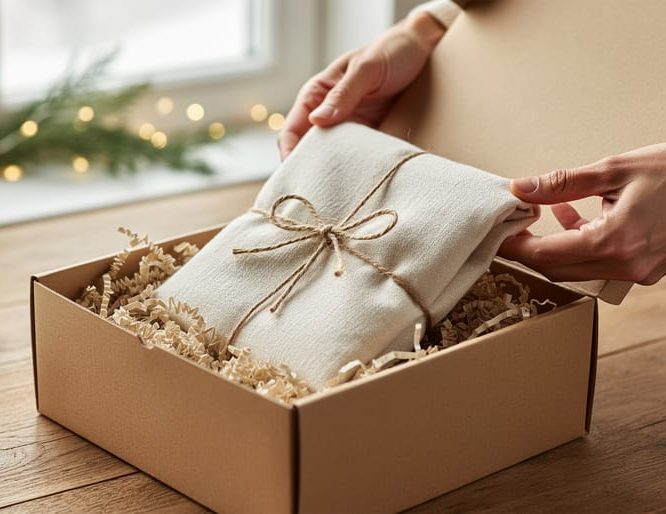
Eco friendly packaging is packaging made from materials and designed in ways that cut down on waste and environmental harm, whether that means it’s recyclable, compostable, reusable, or made from recycled or renewable sources. In plain terms, it’s the box, wrap, or ribbon that doesn’t linger in a landfill for decades after the gift has been opened.
That matters more than you might think. Wrapping is the first thing a person touches when they receive something from you, and it can say as much about your care as the gift inside. Choosing packaging that respects the planet is a quiet way of saying you care about the world your loved ones live in, too.
I remember wrapping a small gift for my mother in a scrap of fabric and a bit of twine, expecting it to look plain. She kept the cloth and used it as a table runner for years. That’s the heart of eco friendly packaging: thoughtful, simple, and often beautiful in its own right.
In this guide, we’ll explain what actually qualifies, which materials are used, how they work in everyday life, and where you can find options from local makers. No judgment here. Every small step counts, and every packaging choice is a chance to learn something. If you’re also planning ahead for the holidays, our Christmas gift buying guide pairs nicely with these ideas.
What Eco-Friendly Packaging Really Means
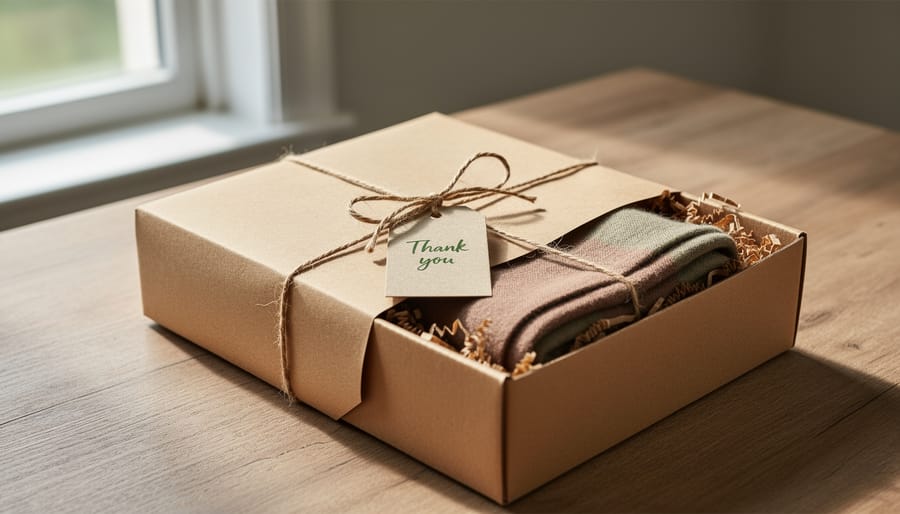
The Everyday Idea Behind the Label
At its heart, eco-friendly packaging comes down to three gentle ideas. First, use less: a box that fits the gift snugly needs less of everything. Second, choose materials that come back around, like paper that was recycled before and can be recycled again. Third, make sure the packaging has a next chapter, whether that’s a second life as a keepsake box or a return to the earth.
These ideas are really sustainability in everyday clothes. Every bit of packaging we avoid or reuse is a small act of care for the world our mothers, our kids, and our neighbors share.
The labels can get confusing, so here’s a friendly cheat sheet:
- Recyclable
- It can be collected and turned into something new, if your local program accepts it.
- Recycled content
- It’s made partly or fully from materials that were used before.
- Biodegradable
- It breaks down naturally over time, though how long that takes can vary a lot.
- Compostable
- It breaks down into healthy soil, usually in the right composting conditions.
- Reusable
- It’s sturdy and lovely enough to be used again and again, like a tin or a fabric wrap.
- Plastic-free
- It’s made without any plastic at all, including hidden coatings or tape.
No single word tells the whole story, and that’s okay. Knowing the differences simply helps you choose with a little more confidence.
How Packaging Becomes Kinder to the Planet
Think of a gift box as a little traveler. Before it ever reaches Mom’s doorstep, it has already been on quite a journey, and every stop is a chance to be a little kinder to the planet.
Where it begins. It all starts with the materials. Eco-friendly packaging leans on paper from responsibly managed forests, recycled cardboard, or plant-based fibers that grow back. When a box is made from what already exists, like old paper given a second life, fewer new resources are needed. When it’s made from something renewable, nature gets time to replace what was taken.
How it’s made. Next comes the making. Thoughtful makers try to use less: thinner walls where strength isn’t needed, water-based inks, and designs that trim away wasted scraps. Some small workshops even save their offcuts to turn into fillers or gift tags. Less energy, less waste, and often a more charming result.
The trip itself. Then the box travels. A lighter, right-sized package means more fit in a single delivery, which cuts down on trips and fuel. This is one reason buying from a local maker can help. A shorter road from their workshop to your door means fewer miles behind every gift.
After the unwrapping. This is the part I love most. Once your mother opens her gift, the packaging gets another chance to matter. A sturdy tin might hold her sewing supplies or tea bags for years. A kraft box can store keepsakes or birthday cards. Paper filler can be recycled, and plain, uncoated materials often go into the compost bin.
I still remember my own mother carefully saving a pretty box from a present years ago. It held her recipe cards for decades. That’s the quiet magic of good packaging: its story doesn’t end when the gift is opened. It simply starts a new chapter, in a drawer, on a shelf, or back in the earth where it began.
Common Types of Eco-Friendly Packaging Materials
Spotlight: Local Makers Doing Packaging Differently
Picture a small workshop where the wrapping is as thoughtful as the gift inside. Many local makers are quietly rethinking packaging, and their choices are often wonderfully simple. Think of a candle maker who hand-stamps recycled paper with a little leaf design, or a tea blender who fills reusable tins that end up holding buttons, letters, and keepsakes long after the tea is gone. Some even tuck in seed-embedded wrapping that can be planted instead of tossed.
(Editorial note: swap in a real artisan from your community here, with their name, craft, and story in their own words.)
What makes these makers special is the care behind each decision. They often choose materials they can source nearby, which keeps the whole journey short and personal. Here are a few of the materials you’ll spot in their work:
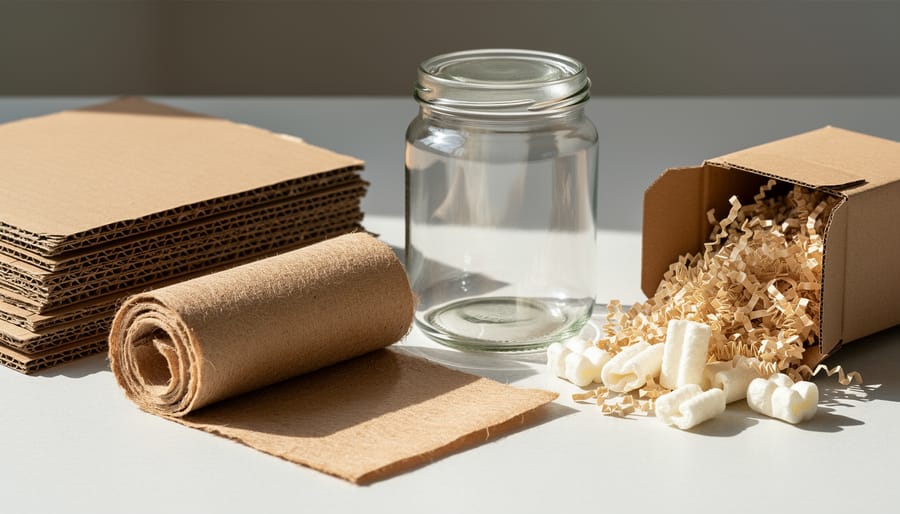
- Recycled kraft paper comes from reclaimed paper fibers and can be reused as wrapping or recycled again.
- Reusable tins are made from metal and become storage boxes, planters, or keepsake holders.
- Seed-embedded paper is made from recycled pulp and plant seeds, and it can be planted in soil.
- Shredded paper filler is cut from leftover paper scraps and can be recycled or composted.
- Cotton and jute wraps come from natural plant fibers and can be reused again and again.
Buying local adds one more gift to the mix. When a package travels only across town instead of across the country, it uses less fuel and arrives with a story you can actually trace. For a mother who treasures thoughtful details, that kind of packaging says, “someone cared about this, and about you.”
How Eco-Friendly Packaging Is Used in Gift Giving
Picture handing your mom a gift box she doesn’t toss out afterward. It’s sturdy kraft board, tied with a simple cotton ribbon, and she ends up keeping her buttons, recipe cards, or garden seeds inside it for years. That’s where eco-friendly packaging does its best work: it becomes part of the gift instead of the trash that follows it.
For customized gift boxes, a few small swaps make a big difference. Shredded recycled paper cushions delicate items just as well as plastic fillers, and it can go straight into the compost or recycling bin. A single sprig of dried lavender or a hand-written tag feels far more personal than layers of tape and glitter. Minimal wrapping tends to look prettier, too, because the care shows in the details. If you’re gathering heartfelt gift box ideas think about how the box itself can be reused, whether as a keepsake, a sewing kit, or a little tin for tea.
Beyond gifts, the same ideas show up in food delivery with compostable containers, in retail with paper bags and less plastic, and in shipping with right-sized boxes that waste less space.
And if a gift already arrives in other kinds of packaging, please don’t worry. It’s still given with love, and that packaging can often be reused, repurposed, or recycled. Many impact charities also welcome thoughtful giving, so a gift can do good well beyond the wrapping.
Questions People Often Ask About Eco-Friendly Packaging
A few questions come up again and again when people start paying attention to what their gifts arrive in, so here are honest, simple answers.
Is eco-friendly packaging more expensive?
Sometimes it costs a little more, especially for small makers buying in small batches, but not always. Simple choices like plain kraft paper and shredded paper filler are often just as affordable as plastic options.
Is it as sturdy as regular packaging?
Well-made recycled cardboard, glass, and tins protect a gift beautifully. Sturdiness depends more on thoughtful design than on the material itself.
How can I tell if packaging is truly sustainable?
Look for clear, specific wording, like “100% recycled paper” or FSC-certified, rather than vague words like “green.” Also check the disposal instructions, since compostable items often need a particular kind of facility.
What can I do with packaging after a gift is opened?
Keep a sturdy box for storing keepsakes, reuse tins for sewing supplies or tea, and tuck paper filler into your next gift. Whatever you can’t reuse, recycle or compost as your local program allows.
Home composting and recycling vary quite a bit from one town to the next, so a quick look at your local guidelines goes a long way. And if a gift arrives in packaging that isn’t perfectly eco-friendly, it’s still given with love, and a little creativity can give it a second life.
At its heart, eco-friendly packaging is a simple idea: giving with a little extra thought for the people we love and the world they’ll keep living in. It doesn’t ask for perfection. It asks us to notice, to choose a little less plastic, a little more paper or fabric, a box that gets a second life on Mom’s dresser instead of a trip to the bin.
When we choose gifts from local makers, the care often goes all the way down to the wrapping. Shorter journeys, thoughtful materials, and hands that took their time all become part of the gift itself.
So the next time you’re getting ready to give something special, take a moment with the packaging. Whether it’s shredded paper, a reusable tin, or a simple fabric wrap, let it carry your kindness too. Wrapped with care inside and out, a gift says what words sometimes can’t.